
EV Battery Circularity: Why the UK Needs a National Strategy Now
Second-life applications and coordinated recycling must be prioritised before the wave of retired batteries arrives

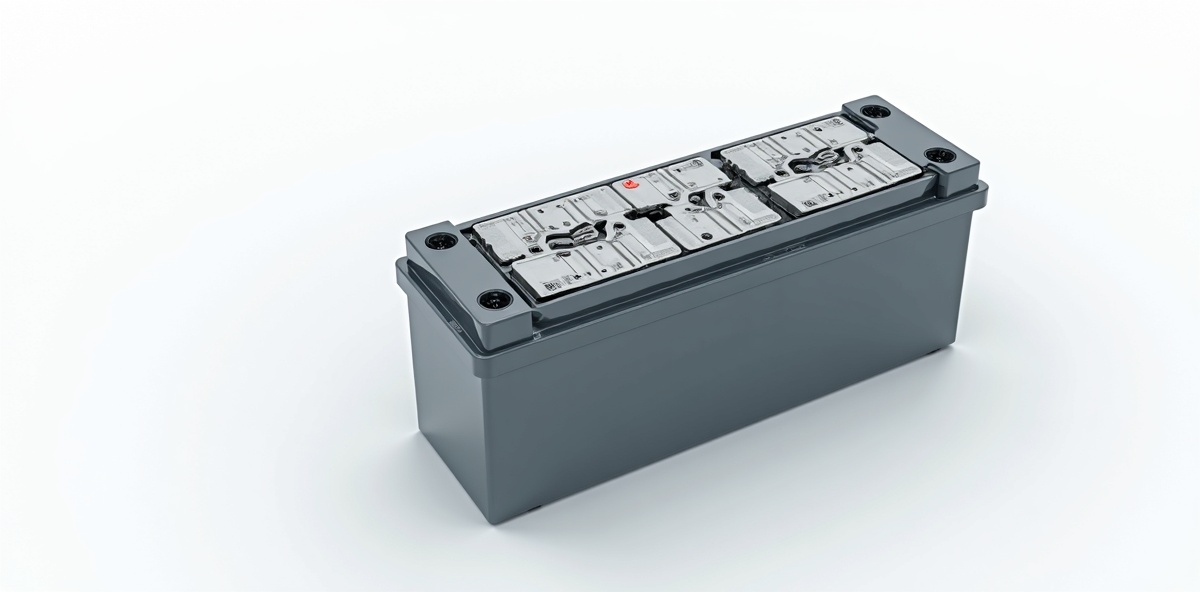
With EV adoption accelerating, the UK faces a growing challenge: what happens to batteries at end-of-life? Our latest policy brief argues that second-life applications and coordinated recycling infrastructure must be prioritised before the wave of retired batteries arrives.
The Scale of the Challenge
The UK's commitment to phasing out new petrol and diesel vehicles has accelerated EV adoption significantly. But with every EV sold comes a lithium-ion battery that will, in 8 to 15 years, reach the end of its useful automotive life.
The volume of batteries reaching end-of-life is set to grow dramatically over the next decade. Without a coordinated strategy for managing these batteries through reuse, repurposing, and recycling, the UK risks creating a new waste challenge at the very moment it is trying to solve an old one.
The Opportunity: Second-Life Applications
Here is the good news: a battery that is no longer suitable for powering a vehicle still retains significant capacity, typically 70 to 80% of its original energy storage. That makes it well-suited for stationary energy storage applications, such as storing electricity generated by solar panels or supporting grid stability.
Second-life battery systems are already being deployed at scale in some markets. In the UK, there are promising pilot projects, but the infrastructure for testing, certifying, and deploying second-life batteries at scale does not yet exist. Building that infrastructure requires coordinated action across government, industry, and the energy sector.
The Recycling Challenge
For batteries that cannot be repurposed, recycling is the next best option. Lithium-ion batteries contain valuable materials (lithium, cobalt, nickel, manganese) that can be recovered and reused in new batteries, reducing dependence on primary mining.
But battery recycling is technically complex and currently limited in scale in the UK. The disassembly of battery packs is largely manual, hazardous, and expensive. New hydrometallurgical and direct recycling processes offer the potential for higher recovery rates and lower costs, but they require significant investment to scale.
The UK currently exports a significant proportion of its end-of-life batteries for processing overseas. Building domestic recycling capacity is both an environmental and an economic imperative.
What a National Strategy Must Include
Our policy brief sets out a clear case for a national EV battery circularity strategy. Such a strategy must include: a regulatory framework that supports second-life applications, including standards for battery testing and certification; investment in domestic collection, repurposing, and recycling infrastructure; digital battery passports that track the history and condition of batteries throughout their lifecycle; and skills development to build the workforce needed to support a circular battery economy.
The window for action is now. The wave of end-of-life batteries is coming. The question is whether the UK will be ready to manage it as a resource, or whether it will treat it as a waste problem.
Founder of Utter Rubbish, recognised by the Prime Minister's Points of Light Award, shortlisted for the Global Student Prize, and featured on BBC Breakfast, BBC Radio 1, and TEDx.
About This Article
Category
ResearchAuthor
Dr. Elliott Lancaster MBE
Published
28 February 2026
Reading Time
6 min read
Related
Read the Full Policy BriefWant to collaborate on research or policy work?
Get in Touch