
Construction Waste: The Sector Generating 62% of UK Waste Must Change
What meaningful circular reform looks like for the UK's most wasteful industry

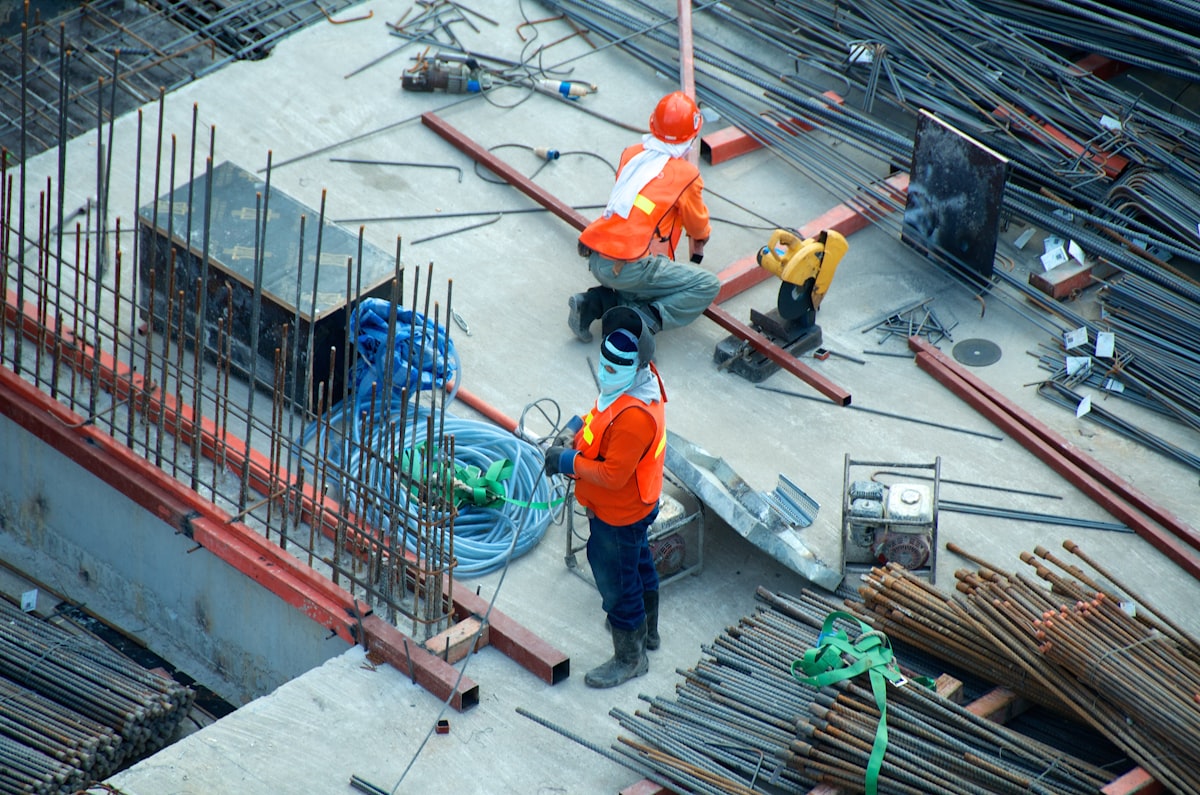
Construction and demolition generates more than 60% of all waste in the UK, yet it remains one of the least scrutinised sectors in circular economy policy. The government's new Growth Plan targets construction. We look at what meaningful reform would require.
The Scale of the Problem
Construction and demolition waste accounts for more than 60% of all waste generated in the UK, a figure that is rarely discussed in mainstream sustainability conversations, which tend to focus on household recycling and packaging.
This waste includes concrete, bricks, tiles, ceramics, wood, glass, metals, and plastics. Much of it is generated during demolition, but a significant proportion comes from construction sites themselves: offcuts, damaged materials, over-ordering, and poor site management.
The environmental impact is substantial. Producing construction materials, particularly concrete and steel, is energy-intensive and carbon-heavy. When those materials are wasted, the embodied carbon they represent is lost. And when they go to landfill, they take up space and generate leachate.
What the Circular Economy Growth Plan Proposes
The government's Circular Economy Growth Plan identifies construction as one of five priority sectors for circular economy reform. The proposals include new requirements around material passports (digital records that track the materials used in a building throughout its lifecycle) and design for deconstruction, which requires that buildings be designed so that their materials can be recovered and reused at end-of-life.
There are also commitments to waste reduction targets for major construction projects and to the development of secondary materials markets that make it easier to buy and sell recovered construction materials.
What Meaningful Reform Would Require
The Growth Plan's proposals are a start, but meaningful reform of the construction sector will require more than voluntary commitments and aspirational targets. It will require changes to procurement, with public bodies required to specify recycled and reclaimed materials where technically feasible. It will also require changes to planning, so local authorities can require material passports and deconstruction plans as conditions of planning permission.
It will also require investment in the secondary materials market. At present, reclaimed bricks, timber, and steel are often more expensive than new materials, because the market for them is fragmented and the supply is unreliable. Aggregating supply, improving quality standards, and reducing transaction costs could transform the economics of reuse.
The Skills Dimension
Circular construction also requires new skills. Deconstruction, the careful dismantling of buildings to recover materials, is a different discipline from demolition. It requires trained operatives, specialised equipment, and time. The construction industry will need to invest in training and in developing the tools and techniques that make deconstruction economically viable.
This is an area where education and industry must work together. We are exploring how circular construction principles can be embedded in built environment curricula and apprenticeship standards, and we welcome conversations with construction firms, training providers, and local authorities who share this ambition.
Founder of Utter Rubbish, recognised by the Prime Minister's Points of Light Award, shortlisted for the Global Student Prize, and featured on BBC Breakfast, BBC Radio 1, and TEDx.
About This Article
Category
ResearchAuthor
Dr. Elliott Lancaster MBE
Published
3 January 2026
Reading Time
5 min read
Related
View Our ResearchWant to collaborate on research or policy work?
Get in Touch